New Year, New Codes: CDT Changes Dentists Must Know for 2026

Know the codes. Protect your dental practice.
Big changes are coming in 2026—new CDT codes, Medicare plans, and audit risks that could impact your bottom line.
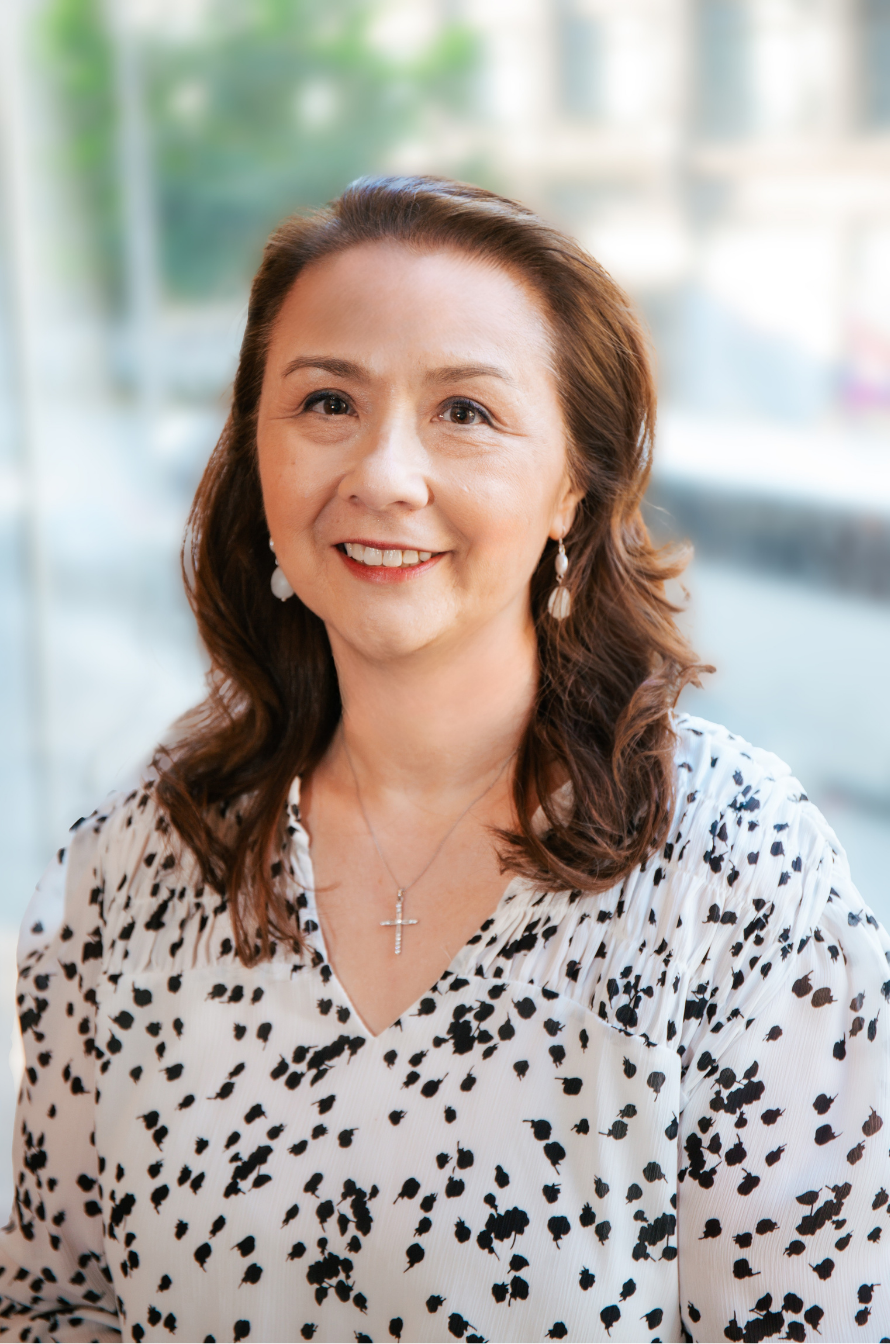
If you haven't reviewed the 60+ CDT code changes for 2026 yet, this episode is your wake-up call. Host Linda Kane welcomes insurance expert and revenue cycle educator, Teresa Duncan, to break down what dental practices need to know now to stay compliant and profitable. From new codes and fee setup to insurance red flags and Medicare Advantage limitations, this is a must-listen for dentists and office managers heading into the new year.
“If you’re doing a lot of anesthesia or sedation, you definitely want to pay attention this year. Everything has been overhauled—crazy changes. Now you’ve got new workflows, new codes, and you’ve got to set up explosion codes. That’s a whole issue in itself.” — Teresa Duncan
What You Need to Know for 2026: CDT Codes, Medicare & More
- 60+ code updates that will affect anesthesia, diagnosis, and appliance billing
- Medicare Advantage plans are tightening coverage and scrutiny
- Audit activity is rising and billing mistakes carry greater legal risk
- Fee schedules and workflows need to be updated early—not mid-year
- Outsourcing and training may be your best move amid staffing shortages
CDT Code Changes That Matter for Dental Teams
Teresa walks through some of the most talked-about changes in the 2026 CDT book—including:
"There's a new cracked tooth syndrome code, but that doesn’t mean it’ll be reimbursed the way you expect."
Some codes bring opportunity. Others? Just confusion.
New codes for occlusal guard cleaning and denture duplication may not be covered but can still support more accurate billing and fee transparency. The anesthesia and sedation codes, in particular, require immediate workflow and setup adjustments.
Key takeaway: Don't just download the codes—read the 13-page revision section and consider both the CDT book and the Companion Guide for full context.
Medicare Advantage: Why It’s Getting Riskier to Ignore
Medicare Advantage dental plans are on the rise, and so are their restrictions. Teresa explains why dental offices should no longer assume coverage or expect easy documentation.
"More plans are moving to closed panels. If you're out-of-network, your senior patients may have zero benefits."
Practices need to build better verification systems and prepare patients early for what their plan does and doesn’t cover. Pre-treatment estimates are essential.
Protecting Your Dental Practice Starts with Smarter Billing
Your insurance coordinator can’t make coding decisions, and they shouldn’t be the only one reviewing CDT changes. Linda and Teresa stress the importance of:
- Setting your own fees for new codes (don't rely on zero-dollar defaults)
- Understanding what your procedures actually cost
- Involving the doctor in code selection and clinical documentation
Whether you're using in-house staff or outsourcing, just make sure your systems are aligned with 2026 expectations.
How Fixing Insurance Workflows Boosts Confidence
When front office teams feel unclear on codes or unsure about rules, it affects everything—from patient trust to billing accuracy to job satisfaction.
"Most burnout comes from being asked to do a job no one trained you for."
Updating your processes, training your team, or outsourcing to specialists can reduce costly mistakes and support long-term growth.
Want a Smarter Insurance Workflow for 2026?
Linda and her team can help you with insurance, systems, and burnout-proof billing processes. Book a call or get a free copy of her Amazon bestselling book, Dental Office Rescue, at rescuemydentaloffice.com
Explore More from Teresa Duncan
Teresa Duncan is a revenue cycle educator with over 25 years of experience in insurance systems, office management, and patient communication. She’s the author of multiple industry resources and a trusted voice for dental teams nationwide.
Resources Mentioned: odysseymgmt.com
Enjoy Our Latest Episodes




I can't recommend Zeroed-In Dental Solutions enough.
I've been working with Zeroed-In Dental Solutions for a little over 4 months now, and I have to say they are amazing! I brought in Linda Kane and her team into my new acquisition/startup when original staff created a huge billing mess. Handing the reigns over to Zeroed-In Dental Solutions is probably the single-best decision I made. The team has great work ethic, communication, attitude, dedication, and capability. Setting up with Zeroed-In was really easy, and they work around the clock to send, follow up, and clean up claims for you. I was also going through a software transition from Eaglesoft to Curve Dental and they knew exactly how to handle that situation as well and keep things accurate. They'll even verify insurances and handle patient billing for you as well. Everything is very professional from the team and they bring really good energy and a great attitude too! They make you want to bring them into your practice and keep them as your own personal team. I was deciding between a few billing/RCM teams when I was looking for one, and to be honest, they all kind of sound the same, right? But talking to Linda and Zeroed-In, they stood out with their expertise and capability, and I am really glad I chose them over everyone else. It has made a huge difference for my practice and is a lot less work and hassle for me day-to-day as well. Overall, I can't recommend Zeroed-In Dental Solutions enough and you'll love working with them and enjoy the benefits it brings to you and your practice.
I have piece of mind that our patients are getting the best.
Linda and Michelle are extremely knowledgeable and professional allies to have on your side! Working with Zeroed is a breeze, and I have piece of mind that our patients are getting the best service possible from this team. Highly recommend!
They have taken extra time to make our business better.
Very, very, very pleased with the zeroed in team. If I could give more stars I would do it. Linda and Michelle have been extraordinary in their care and help for our team. They have taken extra time to make our business better and more successful. Because of their extraordinary efforts, I have changed the way I practice dentistry and it has reshaped my views. I would not hesitate recommending their services! Thanks Linda and Michelle!!!
